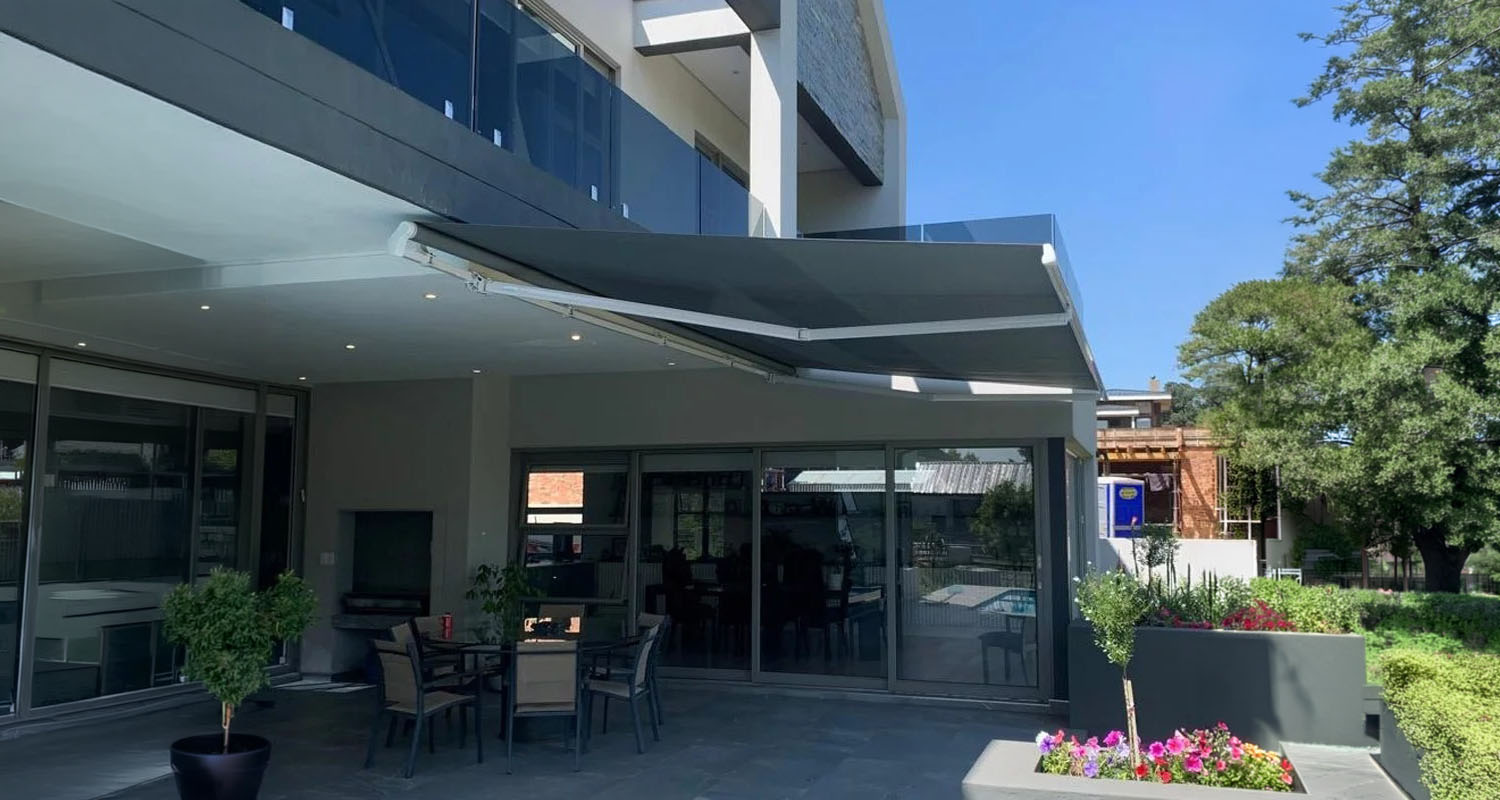
On an awning or a patio blind, the fabric does almost all the work. The frame is aluminium and steel and will outlive everything around it. The fabric takes the sun, the hail and the storms, and it is where a cheap product and a premium one part ways — usually within two or three summers.
That is why we only fit two fabrics on the awnings and patio blinds we make: Docril acrylic and SheerWeave sun-control mesh. Here is what they are, why they survive this climate, and how to tell premium fabric from cheap before you sign a quote.
Key takeaways
- The Highveld is one of the hardest places on earth to be a piece of fabric: the World Health Organization puts UV roughly 10% higher for every 1,000 m of altitude, and Johannesburg and Pretoria sit around 1,400–1,750 m up.
- Docril is solution-dyed acrylic: the colour is locked into the fibre itself, it blocks up to 90% of UV, and the mill backs it with a 10-year UV warranty.
- SheerWeave is a woven sun-control mesh for patio blinds: depending on the weave it blocks 86–99% of UV while keeping your view and airflow.
- Stitching fails before premium fabric does — so we sew with UV-stabilised thread and take no shortcuts in manufacture.
- Every awning and patio blind is measured on site and made in our own Johannesburg workshop. The measure and quote are free.
01 · The climate
What the South African sun does to fabric
Johannesburg and Pretoria give an awning everything at once. UV that is stronger than at the coast — the WHO’s rule of thumb is about 10% more UV for every 1,000 m you climb, and the Highveld sits well above 1,400 m. Summer hail. Afternoon storms that arrive sideways. Then months of dry, unbroken sun.
Cheap outdoor fabric is usually piece-dyed: the colour is applied to the surface after the cloth is woven. The sun strips that surface colour first, so the fabric fades in patches, then goes brittle, then tears at the seams. You can see the result all over both cities — awnings that were green and are now a chalky grey, sagging off perfectly good frames.
02 · Awnings
Docril: awning fabric with the colour locked in
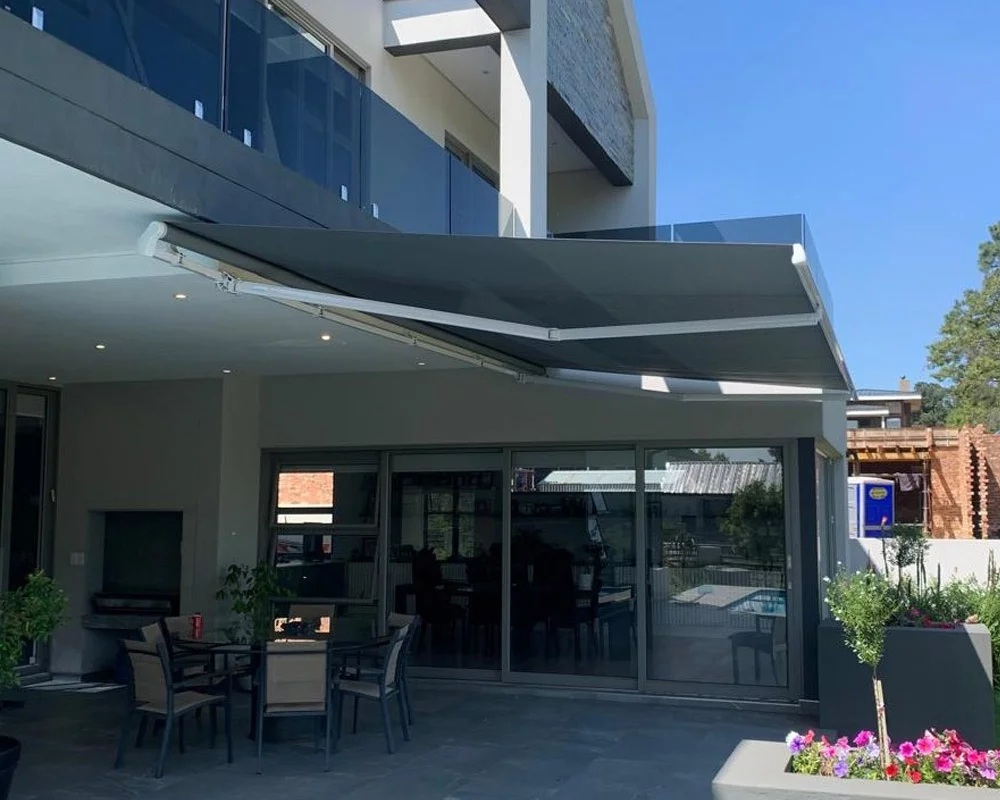
Docril is a 100% solution-dyed acrylic made by Citel in Spain, and it is what we use on our awnings, retractable awnings and drop-arm awnings.
Solution-dyed means the pigment goes into the acrylic while it is still liquid, before the fibre is even spun. The colour runs through every strand rather than sitting on the surface, so there is no surface layer for the sun to strip. That is the single biggest difference between an awning that still looks new after years on a north-facing wall and one that looks tired after two summers.
The rest of the spec earns its place too: Docril blocks up to 90% of UV, carries the top solar-protection rating (80+) under the European UV Standard 801, and is finished with a Teflon coating that sheds water and wipes clean. The mill backs the fabric with a 10-year UV warranty.



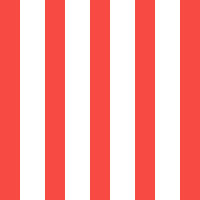
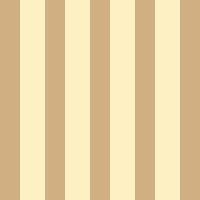

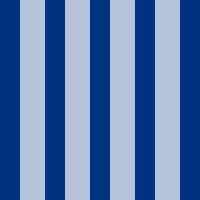
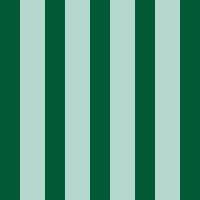

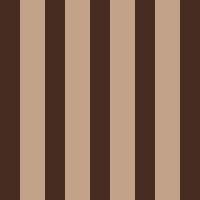
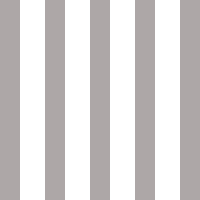

A few of the Docril solution-dyed colours we stock — chosen against real swatches at your measure
03 · Patio blinds
SheerWeave: the patio blind mesh that blocks sun, not the view

A patio blind has a different job to an awning. It has to keep glare, wind and rain off the patio without walling it in — you still want to see the garden and feel the air move.
That is what SheerWeave, Phifer’s woven sun-control mesh, is built for, and it is what we use on our patio blinds. The weave does the work: tighter weaves block up to 99% of UV, more open weaves trade a few points of blockage for more airflow and a clearer view through. Either way the glare goes, the outlook stays, and the mesh wipes clean.
04 · The stitching
The thread is where cheap products fail first
Every seam on an awning takes the same sun as the fabric around it. Ordinary sewing thread perishes years before a premium fabric does — the cloth is still sound, but the stitching lets go and the panels part at the seams. It is the most common failure we see on awnings made somewhere cheaper.
So we don’t give the sun a weak point to find. Our awnings and patio blinds are sewn with UV-stabilised thread, and repairs are re-stitched with Tenara, a thread that outlasts the fabric around it. No shortcuts anywhere else either: we measure on site, cut and sew in our own workshop at 33 Athol Street, Highlands North, and the people who made your awning are the people who fit it. Installers with 30 years’ combined experience, and Mitch quotes every job himself.
05 · Before you sign
How to tell premium from cheap before you buy
Four questions to ask anyone quoting you on awnings or patio blinds, us included:
- What is the fabric called? A premium fabric has a brand name you can look up. “Canvas” is not an answer.
- Is it solution-dyed or piece-dyed? If the salesperson doesn’t know, you have your answer.
- What thread is it sewn with? The seams age in the same sun as the cloth.
- Who makes it, and who fits it? A workshop that manufactures and installs its own work has nowhere to hide from a bad job. A reseller does.
Wondering what the numbers look like? Our awning price guide gives honest from-prices for every type we make.
Questions people ask
Frequently asked questions
What is solution-dyed acrylic?
Fabric where the colour is added to the liquid acrylic before the fibre is spun, so the pigment runs through every strand instead of sitting on the surface. That is why solution-dyed fabrics like Docril resist fading in direct sun far better than piece-dyed fabric.
How much UV do these fabrics block?
Docril blocks up to 90% of UV and holds the top rating (80+) under the European UV Standard 801. SheerWeave blocks between 86% and 99% depending on how open the weave is — tighter weaves block more sun, more open weaves give more view and airflow.
Can you put premium fabric on my existing awning frame?
Yes. If the frame is sound, we recover it — new Docril fabric, new stitching, your existing structure. See our recovers and repairs page.
Which fabric goes on which product?
Docril acrylic on fabric awnings — retractable, fixed and drop-arm. SheerWeave mesh on patio blinds. Both are cut and sewn to your measurements in our workshop; nothing comes off a shelf.
How long will the fabric last?
That depends on orientation and exposure, so we won’t invent a number. What we can say: Docril’s mill backs it with a 10-year UV warranty, and when any fabric does reach the end of its life, the frame usually doesn’t — recovering a fold-arm awning starts at less than half the price of a new one.
We make awnings and patio blinds for Johannesburg and Pretoria weather, in our own workshop, from fabrics we’re happy to name. The on-site measure and quote are free — and the price quoted is the price paid.
Sources: Citel — Docril · Ricky Richards — Docril fabric specification · Phifer — SheerWeave · WHO — ultraviolet radiation